Optimizing Data Centre Performance with Smart Environmental Monitoring
Cold Chain
Dec 12, 2025 • 4 min read
TL;DR
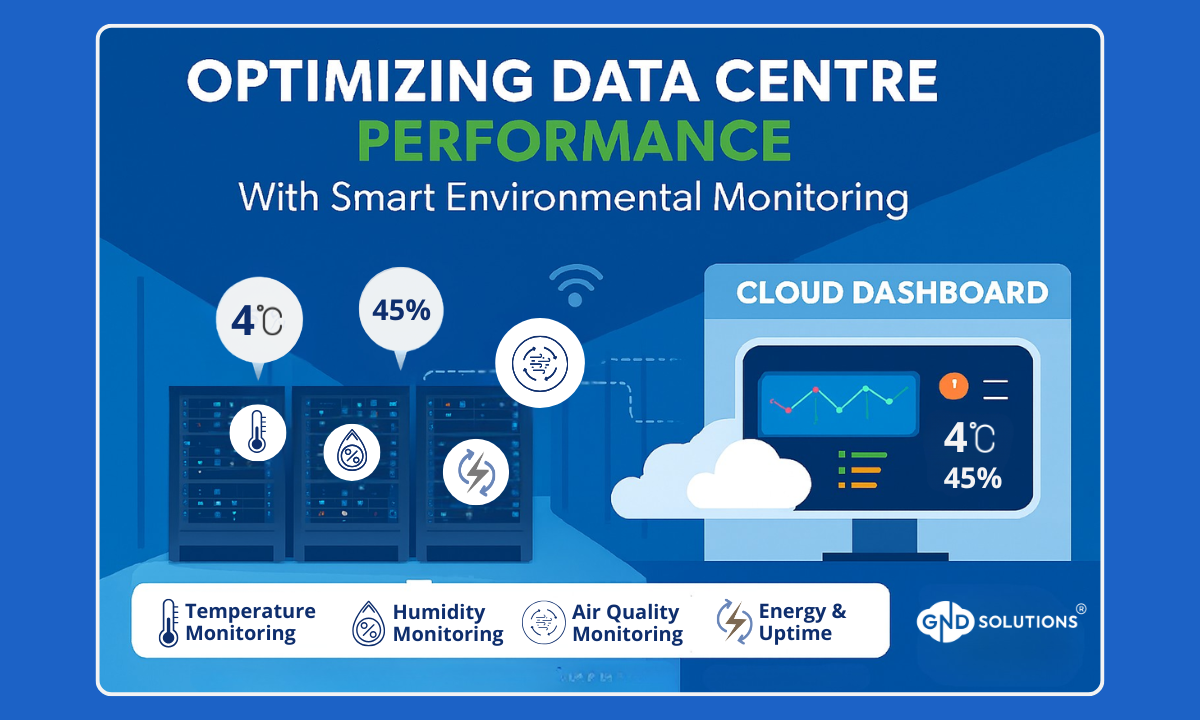
Effective data centre operations depend on precise
environmental monitoring. Smart IoT sensors track temperature,
humidity, airflow, and energy usage in real time, while
cloud-based platforms provide dashboards, automated alerts,
and compliance reporting.
By leveraging wireless connectivity and advanced analytics,
operators can reduce downtime, improve energy efficiency, and
maintain optimal conditions for critical infrastructure.
Understanding Data Centre Environmental Monitoring Challenges
Data centres contain equipment highly sensitive to environmental
fluctuations. Variations in temperature, humidity, or airflow can
cause equipment failure, service interruptions, and higher energy
costs.
Traditional monitoring methods—manual logging or standalone
sensors—often fail to deliver the real-time visibility required
for proactive management. Modern environmental monitoring uses
wireless IoT sensors to continuously track conditions across
server racks, cooling zones, and backup systems.
These systems empower operators to:
Detect anomalies instantly
Respond proactively to environmental deviations
Ensure regulatory compliance
Optimize operational efficiency
Key Technologies for Data Centre Monitoring
Connectivity and Wireless Options
Data centre monitoring solutions leverage a combination of
wireless protocols:
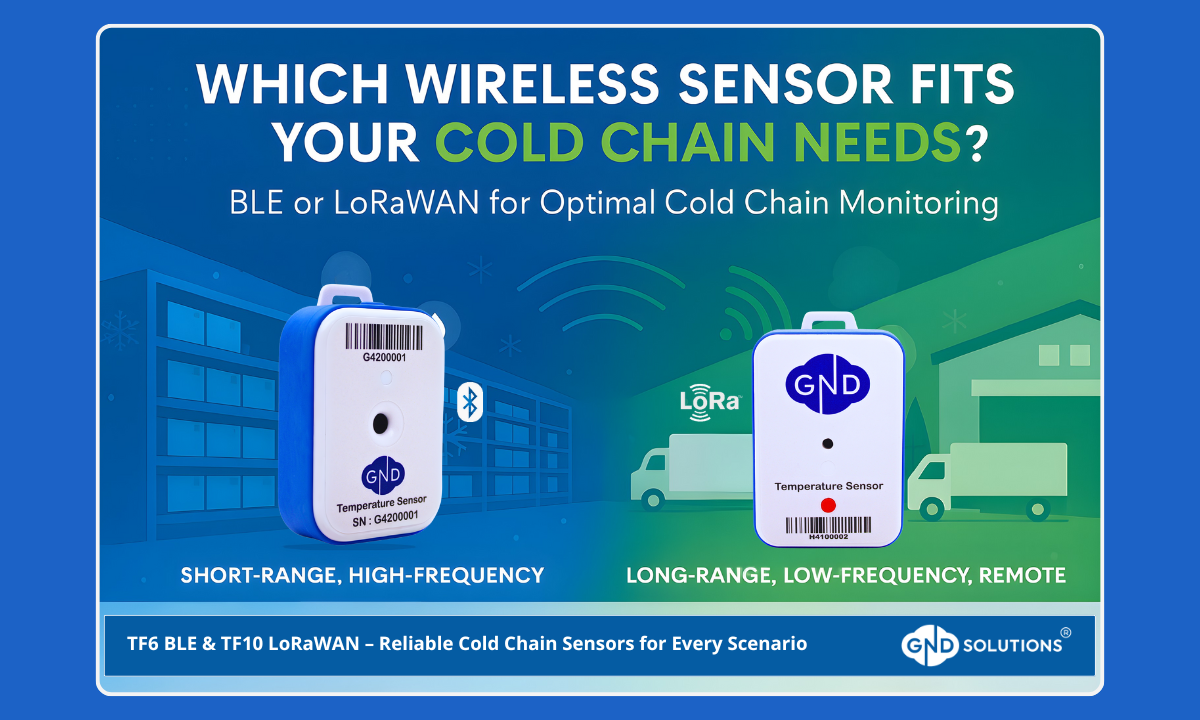
short-range wireless: For high-frequency
data collection in dense server areas.
Long-range low-power networks: Suitable for
large facilities or multiple data halls.
cellular IoT: Ensures remote sites or backup
facilities remain continuously connected to the cloud.
Data Collection and Integration
Sensors measure:
Temperature: Accurate within ±0.5°C to detect
hotspots or cooling failures.
Humidity: Maintains optimal humidity levels
to prevent condensation or electrostatic discharge
Airflow: Monitors cooling efficiency and
identifies airflow bottlenecks.
Energy usage: Tracks power consumption per
rack or zone for efficiency insights.
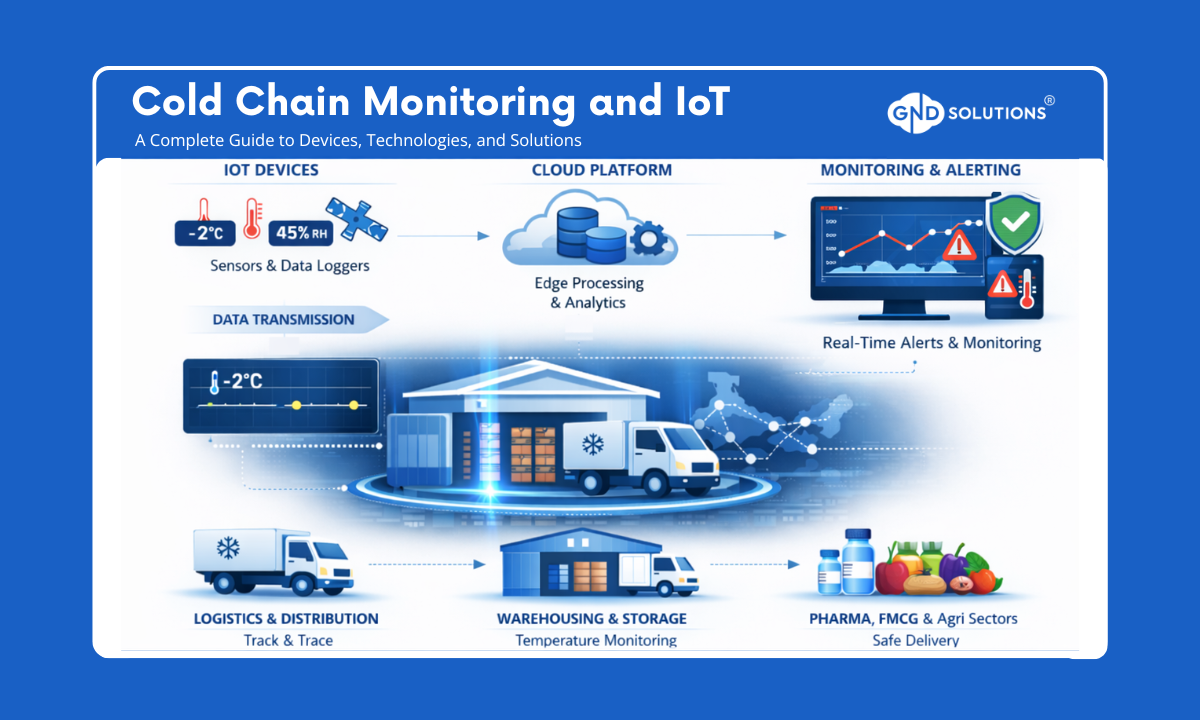
All data aggregates in a
cloud-based monitoring platform , providing real-time dashboards, automated alerts, and
compliance reporting. Open APIs enable integration with existing
DCIM (Data Centre Infrastructure Management) and enterprise IT
systems.
Durability, Battery Life, and Security
High-performance environmental sensors are built to withstand
the operational conditions of a data centre:
Durability: Shock- and vibration-resistant
for high-traffic areas.
IP-rated enclosures: Protection against dust
and liquid ingress.
Battery life: Multi-year operation with
minimal maintenance.
Security: End-to-end AES-128 encryption
ensures data integrity during transmission and cloud storage.
Strategic Benefits of Smart Data Centre Monitoring
Continuous uptime: Detects and responds to
environmental deviations before equipment failure occurs.
Energy optimization: Adjust cooling and
power distribution based on real-time insights.
Compliance and reporting: Automated
audit-ready logs support ISO, ISO 22237, and other regulatory
standards.
Operational scalability: Suitable for single
or multi-site facilities with centralized management.
Server rack monitoring: Detect hotspots and
adjust cooling to prevent hardware stress.
Multi-site facility oversight: Monitor
distributed data centres from a single cloud platform.
Energy efficiency initiatives: Optimize
cooling and power usage to reduce operational costs.
Regulatory compliance: Automated
environmental logs for audits and standards adherence.
FAQs: Data Centre Environmental Monitoring
How often should environmental data be logged?
Continuous real-time logging is recommended, with
configurable intervals for alerts and reporting depending
on operational requirements.
Can smart monitoring systems support multi-site data
centres?
Yes. Wireless connectivity and cloud-based dashboards
allow operators to oversee multiple sites simultaneously.
How are critical alerts prioritized?
Alerts can be configured by threshold severity, equipment
type, or operational impact to ensure rapid response to
urgent conditions.
How is environmental data secured?
End-to-end encryption, secure key exchange, and cloud
authentication protocols protect sensitive operational
data from interception or tampering.
Conclusion: Achieve Optimal Data Centre Performance
Smart environmental monitoring empowers data centre operators to
maintain precise temperature, humidity, airflow, and energy
management. By leveraging wireless IoT sensors and cloud
analytics, facilities can improve uptime, reduce operational
costs, and comply with regulatory standards.
Investing in a comprehensive monitoring ecosystem ensures
proactive management, energy efficiency, and protection for
mission-critical infrastructure. Explore GND Solutions’
monitoring portfolio or consult IoT experts to design a tailored
environmental monitoring strategy for your data centre.