How BLE Sensors Transmit Temperature Data During Transit Without
Interruption
Cold Chain
Oct 7, 2025 • 6 min read
TL;DR
BLE sensors provide reliable, uninterrupted temperature
monitoring during transit using low-power wireless
communication, robust sensor design, onboard data logging,
adaptive transmission strategies, efficient power management,
and cloud-integrated alerting.
These features enable continuous, accurate tracking of
temperature-sensitive goods, safeguarding product quality and
compliance even in challenging connectivity environments.
Introduction
Maintaining the integrity of temperature-sensitive shipments—such
as pharmaceuticals, perishables, and chemicals—requires real-time,
continuous temperature monitoring throughout transit. Manual
checks are slow and error-prone, lacking early warnings for
temperature excursions.
BLE sensors address these challenges by providing compact,
low-power devices that wirelessly monitor and transmit temperature
data. Transit conditions—intermittent connectivity, limited
wireless range, and battery constraints—require specialized
technologies and strategies to ensure uninterrupted transmission.
This article explores these methods, ensuring visibility and
compliance across modern supply chains.
Challenges of Temperature Monitoring During Transit
Transit environments pose distinct challenges:
Intermittent Connectivity
Cellular or internet coverage may be spotty or lost temporarily
during movement through remote areas.
Range and Obstructions
BLE’s short range can be affected by cargo, vehicle structure,
and interference.
Power Limitations
Battery-powered sensors must conserve energy for long shipment
durations.
Data Loss Risks
Wireless interference or network congestion can lead to dropped
or corrupted data packets.
BLE Sensor Features & Benefits
Key Features
Feature
Description
Connectivity Technology
BLE 5.0 / 5.4, low-power short-range communication
Battery Life
Up to 3 years (10-min sampling intervals)
Temperature Range
-30°C to +70°C (internal), -200°C to +350°C (external
probe)
Automated alerts notify stakeholders instantly upon threshold
breaches
Historical reports support regulatory compliance and trend
analysis
Example Scenario: Pharmaceutical Transport
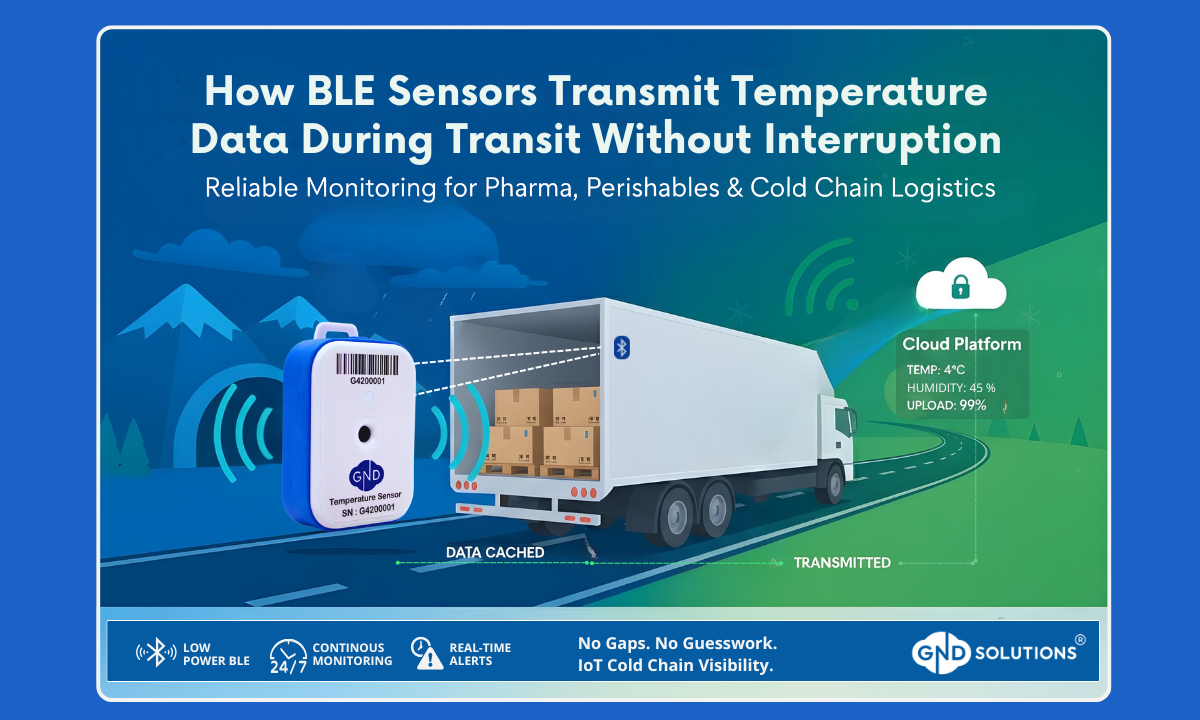
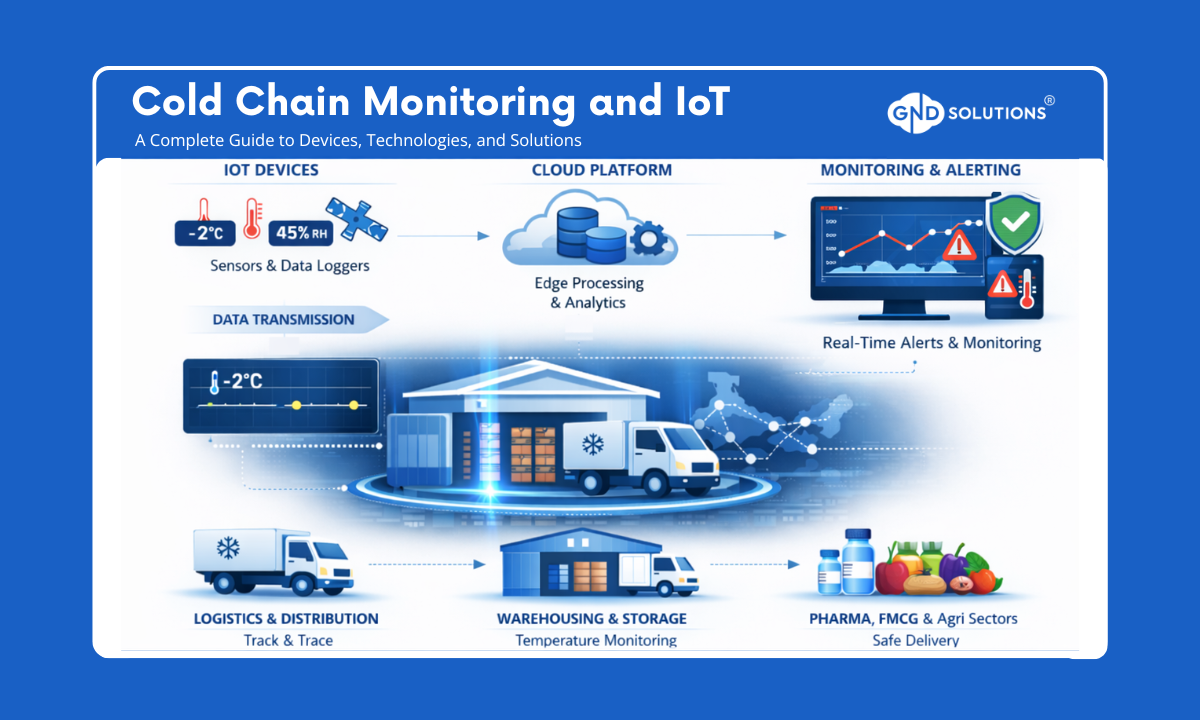
A fleet transporting vaccines equips packages with BLE sensors
logging temperature continuously. A truck gateway gathers sensor
data and transmits it via cellular networks. In areas without
coverage, the gateway caches the data until connectivity
resumes. Logistics teams monitor
data in real-time
and receive instant alerts on temperature excursions, minimizing
spoilage and ensuring safety.
Future Trends in BLE Temperature Monitoring
AI-enabled analytics for predictive insights
Longer-lasting batteries and energy harvesting technologies
Blockchain for traceable, tamper-proof data
Miniaturized sensors for flexible packaging integration
FAQs: BLE Sensors for Transit Monitoring
How does BLE sensor range affect transit
monitoring?
Mesh networking and centralized gateways extend effective
coverage inside transport vehicles.
What happens to data if cellular signals are lost?
Onboard logging and gateway caching prevent data loss;
stored data transmits once connectivity returns
How can battery life be maximized?
Adaptive sampling, transmission scheduling, and low-power
sleep states optimize battery usage.
Are BLE sensors compatible with smartphones or
tablets?
Yes, BLE allows direct access and scanning, though
gateways provide continuous monitoring.
Conclusion: Reliable BLE Monitoring During Transit
BLE sensors enable continuous, accurate temperature monitoring
for transit through low-power design, intelligent data handling,
and cloud integration. GND Solutions’ BLE sensors and IoT
platform provide real-time visibility, regulatory compliance,
and product safety across the cold chain.